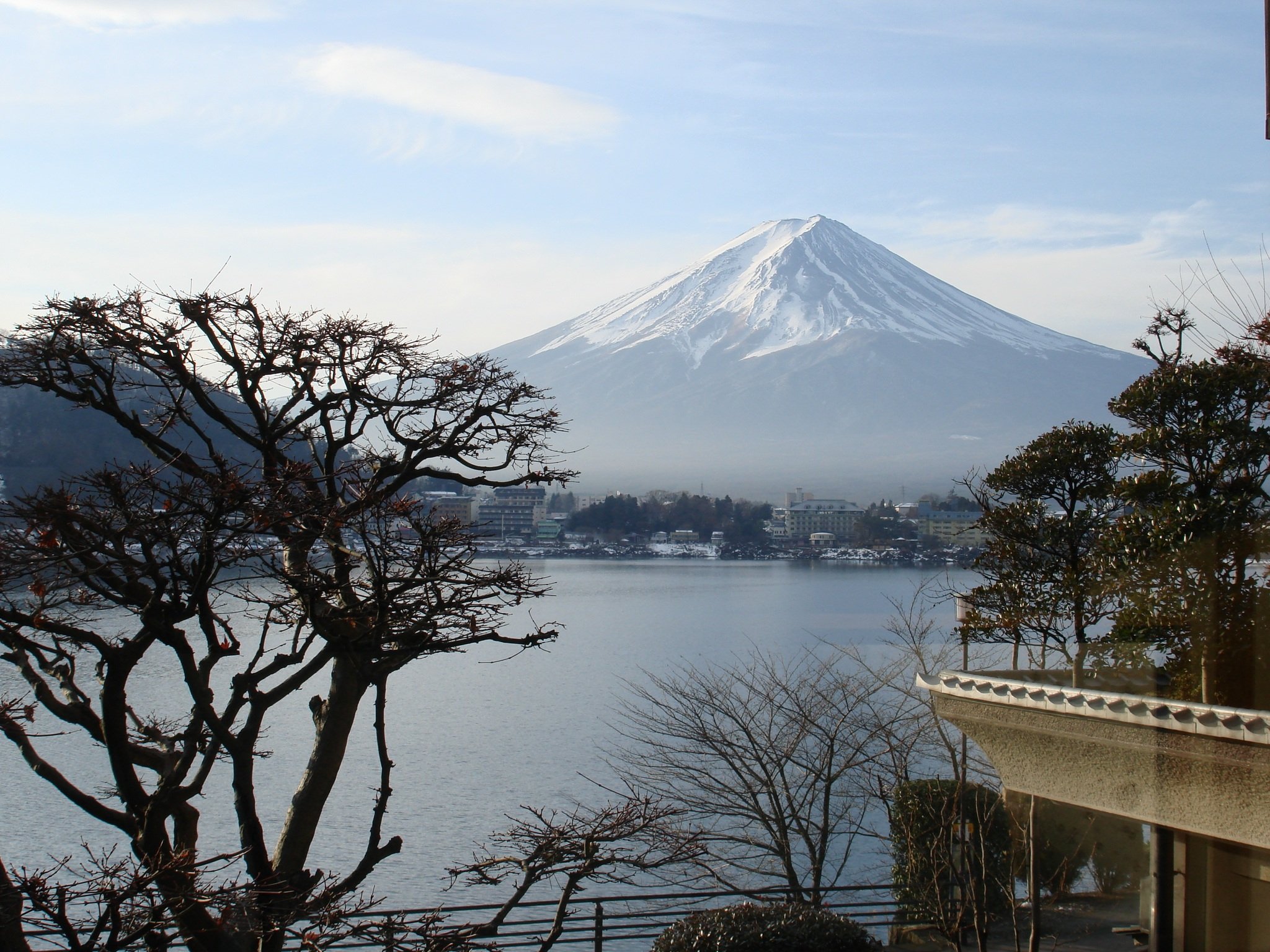
Mount Fuji
Mount Fuji is an active, 3,776-meter-high stratovolcano located on Honshu Island, renowned for its perfectly symmetrical cone that serves as an enduring symbol of Japan. As the country's highest peak and a UNESCO World Cultural Heritage site, it has been revered for centuries as a sacred site and a popular destination for climbers.
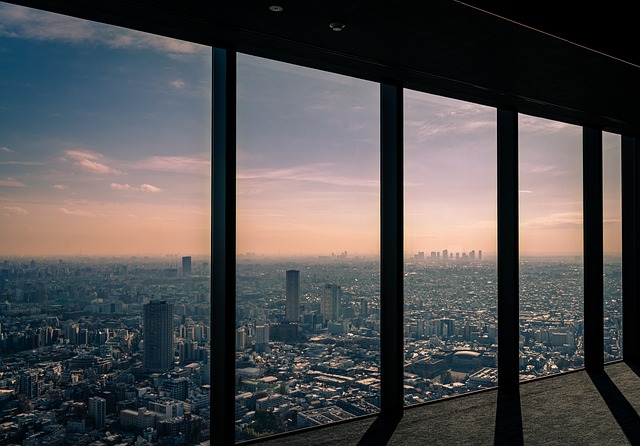
Shibuya
Shibuya is a vibrant, neon-lit ward in Tokyo renowned as a bustling hub for youth fashion, nightlife, and cultural trends. It is famously home to the chaotic Shibuya Crossing, the world's busiest pedestrian intersection, and the iconic Hachikō statue.
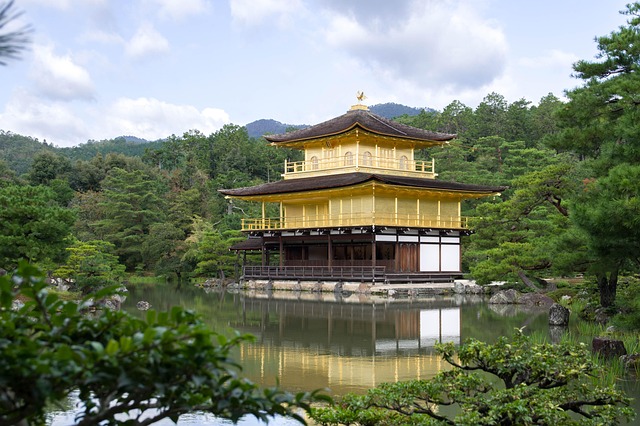
temples of Kyoto
Kyoto is home to over 1,600 historic Buddhist temples and Shinto shrines, featuring iconic UNESCO World Heritage sites like the golden Kinkaku-ji and the wooden stage of Kiyomizu-dera. These stunning sites are renowned for their traditional architecture, serene Zen gardens, and beautiful natural surroundings that draw visitors year-round.
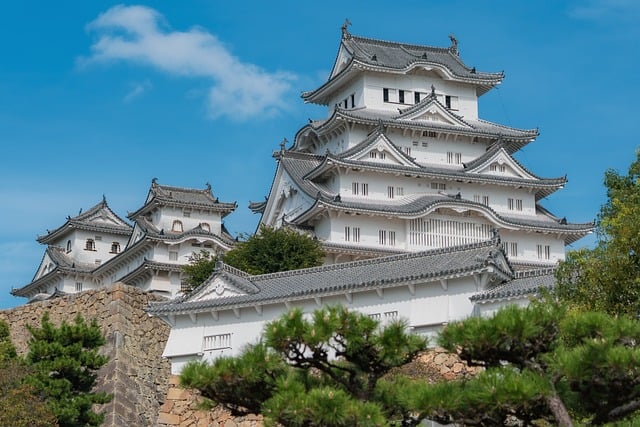
Himeji Castle
Himeji Castle, also known as the "White Heron Castle" due to its brilliant white exterior and elegant, wing-like rooflines, is Japan's largest and best-preserved feudal fortress. Located in Hyogo Prefecture, this UNESCO World Heritage site and National Treasure comprises over 80 wooden buildings, showcasing masterpiece architecture from the early 17th century.
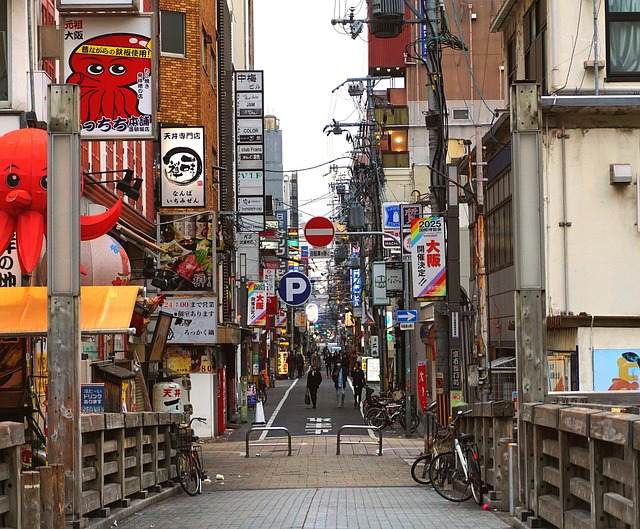
Dotonbori district
Dotonbori is a vibrant, iconic entertainment district in Osaka, Japan, renowned for its dazzling neon lights, energetic nightlife, and, notably, the famous Glico Running Man sign. Lined with countless restaurants and street food stalls along the Tombori Riverwalk, this popular tourist destination is often considered the food and nightlife heart of the city.
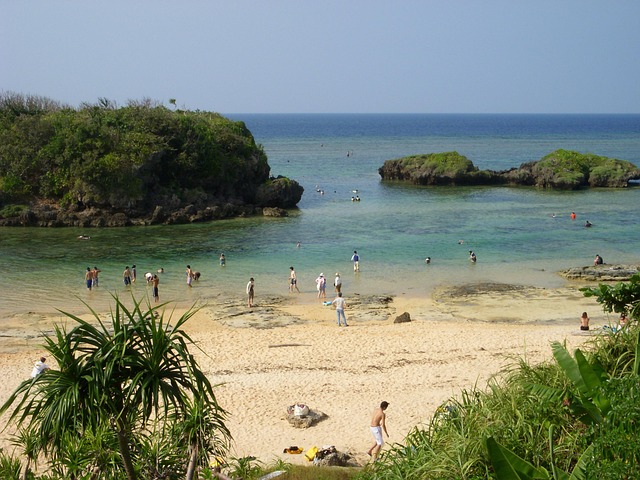
Okinawa beaches
Okinawa's beaches are a tropical paradise, renowned for their stunning white sands and vibrant turquoise, crystal-clear waters perfect for snorkeling and diving. Ranging from lively resort spots to tranquil, secluded shores, they offer a perfect blend of relaxation, marine activities, and breathtaking sunsets.